What kind of well pump do I even need?
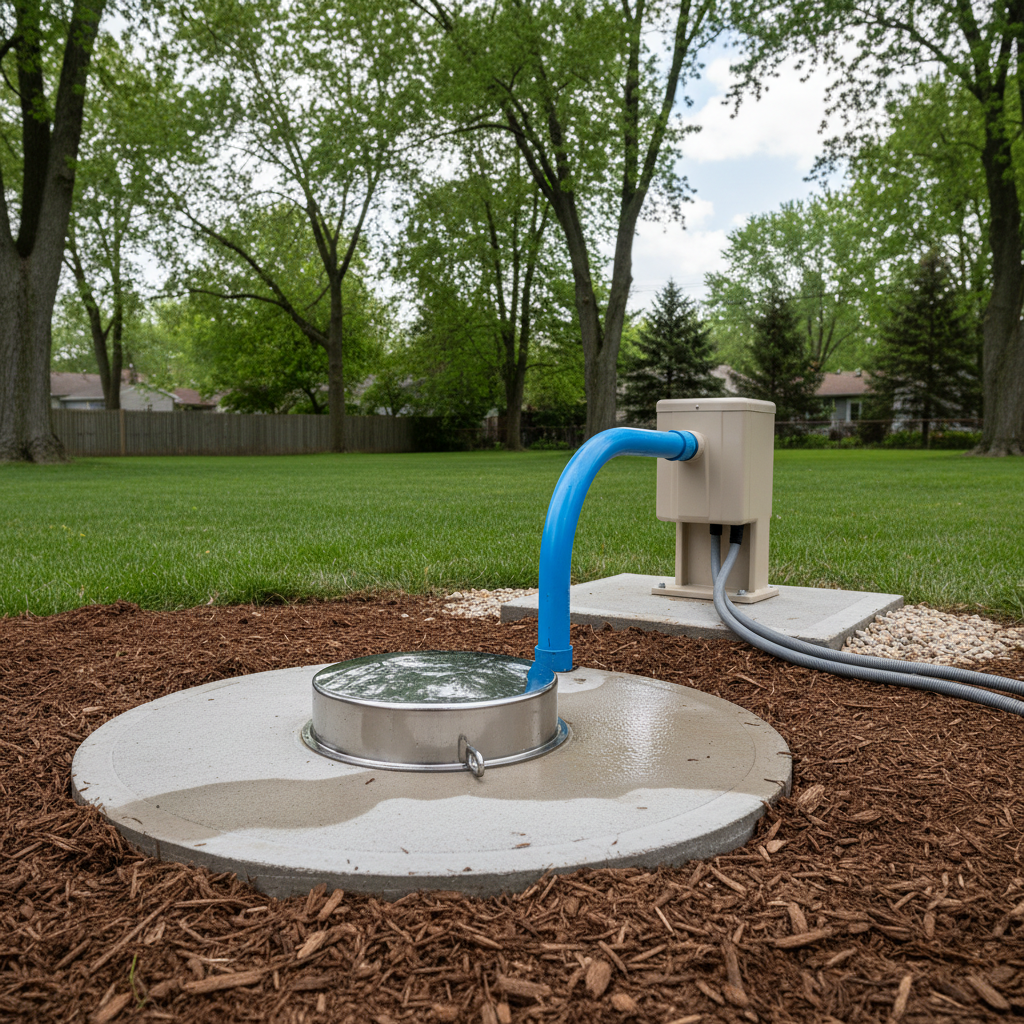
Alright, so this is usually the first thing folks ask, and it's a good one. For most residential wells around Flint, you're looking at one of two main types: a submersible pump or a jet pump. A submersible pump, as the name suggests, sits right down inside your well casing, underwater. It pushes the water up. These are super common, really efficient, and pretty quiet since all the noisy bits are buried. They're great for deeper wells, which we've got plenty of around here, especially if you're out in the rural areas like those spots near Genesee Road. Jet pumps, on the other hand, sit above ground, usually in your basement or a utility room. They 'pull' water up using a motor and an ejector. They're generally better for shallower wells, say 25 feet or less. If your well is deeper than that, a submersible is almost always the way to go. We'll always check your well's depth and water table before recommending anything, 'cause that's the biggest factor.
How long does a typical pump installation take?
This isn't an overnight job, but it's not weeks either. For a standard residential well pump replacement or a new installation into an existing well, we're usually looking at a single day's work. Sometimes, if we hit unexpected issues like a collapsed well casing, or if we're drilling a brand new well from scratch, it can stretch into two days. But for just swapping out a pump, my crew and I at Apex Well Drilling aim to get your water back on and flowing strong before sundown. We know you can't go long without water, so we work efficiently.
What's the average cost for a new well pump installation?
This is where it gets a little trickier to give you a single number, because there are so many variables. The biggest factors are the type of pump (submersible usually costs more than a jet pump), the depth of your well, the horsepower of the pump needed, and any additional materials like new wiring, pressure tanks, or piping. Generally, for a full installation, you're probably looking at a range from a few thousand dollars up to maybe five or six thousand, sometimes more for very deep wells or complex setups. That price includes the pump itself, all the necessary fittings, labor, and getting it all hooked up and tested. We always give a detailed, upfront quote after we've assessed your specific situation. No surprises from us.
Do I need a new pressure tank too, or just the pump?
Not always, but it's a good question to ask. The pressure tank works hand-in-hand with your pump. It stores water under pressure, so your pump doesn't have to kick on every single time you open a faucet. This saves wear and tear on your pump and gives you consistent water pressure. If your pressure tank is old, rusty, or not holding pressure like it should, it's often smart to replace it when you're doing the pump. It's more cost-effective to do them both at once since we're already there. We'll inspect your current tank and let you know if it's still got life in it or if it's time for an upgrade.
How do I know if my pump is failing?
You'll usually get some pretty clear signs. The most obvious one is no water coming out of your taps. But before it gets to that point, you might notice really low water pressure, or water pressure that fluctuates wildly. Your pump might be running constantly, or cycling on and off very frequently, which means it's working too hard. You might also hear strange noises coming from your well or pressure tank area, like grinding or clicking. If you're seeing any of these, don't wait. Give us a call. Catching it early can sometimes save you from a bigger, more expensive problem down the line.
What kind of maintenance does a well pump need after installation?
Honestly, modern well pumps are pretty low maintenance once they're properly installed. Submersible pumps are sealed units, so you're not doing much with them directly. The main thing is to keep an eye on your pressure tank and pressure switch. We recommend an annual check-up, just like you'd get for your furnace or AC. We'll check the pressure tank's air charge, inspect electrical connections, make sure the pressure switch is working correctly, and generally give the whole system a once-over. This can help catch small issues before they become big headaches and extend the life of your whole system.
What about permits and regulations for pump installation in Genesee County?
Yep, permits are definitely a thing, and we handle all that for you. In Genesee County, and especially in Flint, there are specific regulations from the health department regarding well construction and pump installation to ensure water safety and proper function. You can't just slap a pump in there and call it a day. We're well-versed in all the local codes and will make sure all the necessary permits are pulled before we start any work. This protects you, ensures the job is done right, and means your system will pass any inspections. It's part of doing business the right way.
How long should a new well pump last?
With a quality pump and proper installation, you should expect a good 10 to 15 years out of your well pump, sometimes even longer. I've seen some go for 20 years or more. A lot of it comes down to the quality of the pump itself – you get what you pay for – and how well the whole system is maintained. Things like consistent voltage, proper sizing for your well, and not running dry all play a big role. We only install reliable, reputable brands because we want your pump to last just as long as you do.